Which Low-Cost Automotive Chips Deserve a Second Source?

By Nathan Menefee

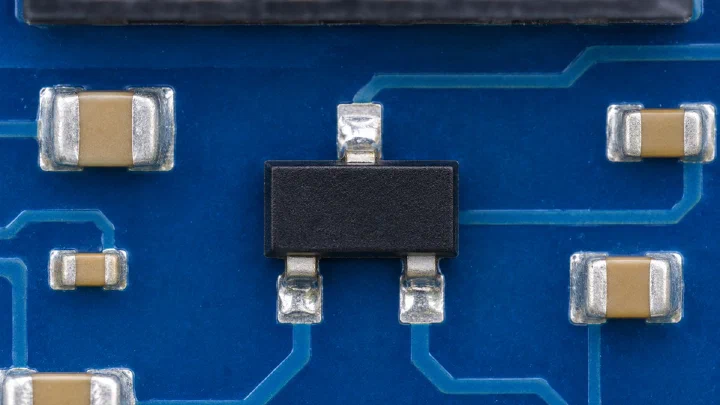
A buyer reviewing an automotive control module might spend more time negotiating the price of its processor than checking the supply of a transistor beside its wiring connector. Yet if that transistor has only one approved source, its next delivery can determine how many finished modules the plant ships. On November 10, Nexperia’s interim CEO…
When Should OEMs Sign a Long-Term Power Semiconductor Supply Agreement?

By Nathan Menefee

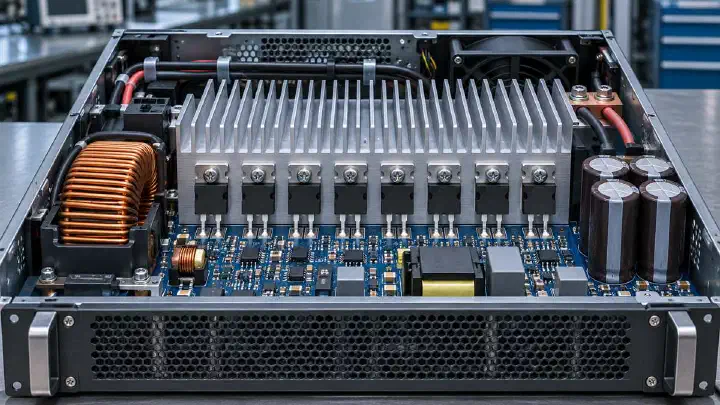
On November 4, Vertiv announced a three-year agreement with Infineon for silicon and silicon carbide power semiconductors. The devices support a range of power products, including the 800-volt DC systems Vertiv is developing for data centers. The companies identified dependable deliveries as a reason to plan supply together in their agreement announcement. For an equipment…

PCB Shortages Show Why Securing Chips Is Only Half the Job

By Nathan Menefee

PCB shortages are creating a production risk that semiconductor purchasing alone cannot resolve. In its latest quarterly report, NCAB describes growing difficulty securing PCB input materials as data center investment and industrial demand compete for supply. Delivery uncertainty is prompting customers to bring orders forward, adding pressure to an already constrained market. For OEMs and…

Rising Chip Prices Can Hide a Decline in Inventory Coverage

By Nathan Menefee

Rising semiconductor prices can make an inventory position look healthier than the quantities behind it. In its October 2026 industry briefing, TechInsights reported that its August Memory Die Bank update showed inventory holding steady in dollar terms because higher average selling prices offset falling unit inventory. That observation concerns an upstream memory indicator, not every…

Managing Semiconductor Obsolescence in Aerospace and Defense

By Nathan Menefee

Semiconductor obsolescence is forcing aerospace and defense programs to make decisions that extend well beyond replacing unavailable parts. A January 2026 NXP discontinuation notice illustrates the problem: selected legacy devices are being withdrawn because aging production equipment and processes have lost supplier support, making continued manufacturing unsustainable. Customer demand alone cannot preserve that manufacturing capability.…