
Which Low-Cost Automotive Chips Deserve a Second Source?
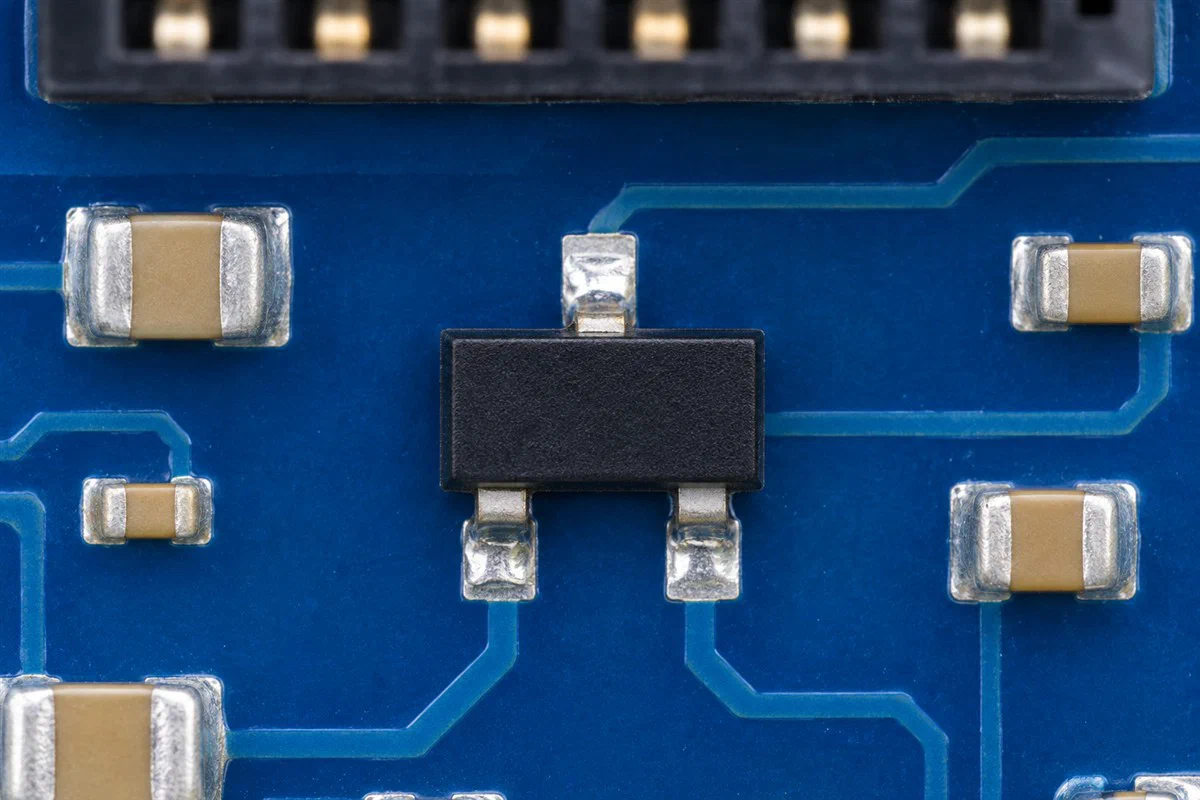 A buyer reviewing an automotive control module might spend more time negotiating the price of its processor than checking the supply of a transistor beside its wiring connector. Yet if that transistor has only one approved source, its next delivery can determine how many finished modules the plant ships.
On November 10, Nexperia’s interim CEO Stefan Tilger told Reuters at electronica that demand exceeded the company’s capacity. He attributed some of the pressure on mature automotive chips to competitors shifting capacity toward AI data centers. For a purchasing team deciding where to spend its next engineering qualification dollar, the first question is which approved parts could run out before a replacement reaches the assembly line.
Trace the Part to the Builds It Can Hold Up
Start with the exact manufacturer part number. Follow it through each active bill of materials, including assemblies purchased from a manufacturing partner. Record the quantity per module, the scheduled build dates, and which customers have approved the part. A transistor used in several modules can appear comfortably stocked if each planner compares the same available quantity with just one program’s demand.
Ask the supplier for its next committed shipment by quantity and date. Then have the assembler confirm how much released stock it holds and how much is already reserved. Rank parts by the first customer build that would fall short if the next unconfirmed delivery slipped. This gives engineering a place to start even when hundreds of inexpensive devices appear on a purchasing report.
Compare Stock Runout With the First Usable Alternate Delivery
Consider a hypothetical lighting module that uses two identical transistors. The plant plans to build 5,000 modules a week and has 60,000 usable transistors dedicated to that program. With no further receipts, it can build for six weeks. Engineering and the proposed supplier estimate that samples, testing, customer approval, and delivery of the first production lot will take nine weeks from today.
Under those assumptions, starting qualification today still leaves three weeks of builds exposed. Covering them takes 30,000 additional transistors from the approved source. At an assumed eight cents each, the parts cost $2,400 before freight, handling, or any contingency. The buyer needs the first bridge shipment before the six weeks of stock run out.
Now consider a diode on the same board. The plant has only four weeks of diodes, but an approved second supplier can deliver the full weekly requirement starting in two weeks. Purchasing can release that order today. Give the next lab slot to the transistor. Even with six weeks on hand, it faces a three-week gap. Ask for both the sample date and the first delivery in production quantities. Samples in week five can support testing. The assembly line still needs bridge stock until production quantities arrive.
Check Whether Both Sources Depend on the Same Factory
Have engineering review the candidate in the circuit where it will operate. For the lighting module, that could mean checking the pin assignment, switching behavior, and temperature rise under the intended load. Quality should identify who can release the changed assembly and which records the customer expects. Ford’s service division, for example, lists both change-control guidance and customer-specific Production Part Approval Process requirements among its supplier quality resources.
Purchasing has a different question to resolve. Where will the replacement be fabricated, assembled, and tested? Two distributors offering the same manufacturer part may help when one warehouse runs short. If both depend on the same constrained factory, ask what stock or independent capacity the second route can actually provide. Obtain a dated production quote for the approved configuration before assigning builds to it.
Choose Between a Bridge Buy and an Ongoing Second Source
A bridge buy makes sense when the gap has a credible end date and the approved parts can arrive before the first missed build. Where the same device supports several continuing programs, weigh the one-time engineering cost of qualification against the expense of repeated expedites and the customer shipments exposed each time. For a program nearing its final build, compare that cost with buying enough approved stock for remaining production and service demand.
If several plants use the same approved transistor, splitting the buy among them on arrival can strand stock at one site while another runs short. Before committing to an inventory ownership arrangement, ask who can redirect a shipment if one plant moves its build forward. Agree on the quantity reserved for each plant, who authorizes a transfer, and how quickly the stock can reach the assembly line.