
When Should OEMs Sign a Long-Term Power Semiconductor Supply Agreement?
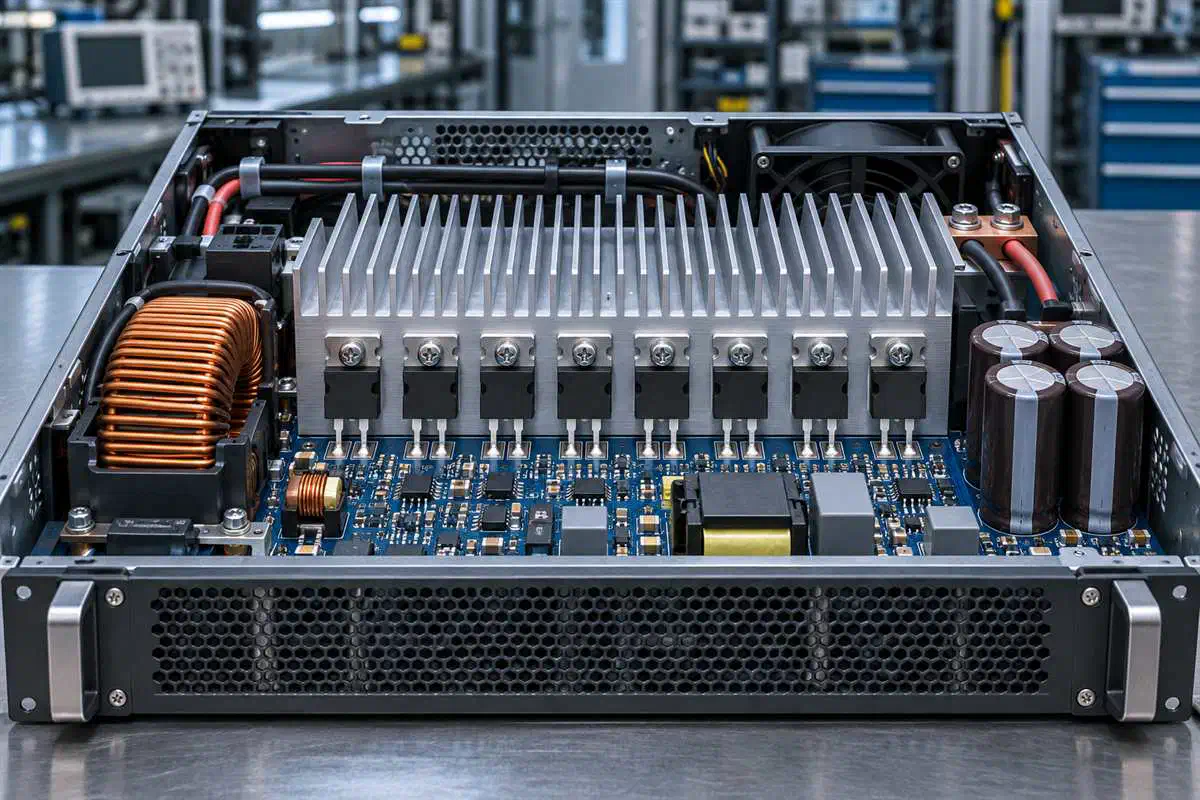 On November 4, Vertiv announced a three-year agreement with Infineon for silicon and silicon carbide power semiconductors. The devices support a range of power products, including the 800-volt DC systems Vertiv is developing for data centers. The companies identified dependable deliveries as a reason to plan supply together in their agreement announcement.
For an equipment manufacturer weighing a similar agreement, the decision comes down to a specific part and two dates. When must the supplier commit capacity to protect a build? When will the customer commit to buying the equipment? A long-term agreement can bridge the gap. Its value depends on what the supplier promises in return and how much demand the buyer can afford to underwrite.
Identify the Device Worth Reserving
Start with the approved part number that would hold up a shipment. For a power converter, ask engineering how long it would take to qualify another device in the existing design. A candidate that fits the board may still need testing under the converter's operating loads and temperatures. Compare the time needed for that work with the period the program could keep building from available stock.
Then ask the supplier what it can reserve. A commitment to deliver a particular package, in an agreed quantity each quarter, gives the production planner something to schedule. If the offer covers a family of devices, establish how and when the OEM can assign its share to the part it needs. A useful test is whether both parties can name the first customer shipment the reservation would protect.
Size the Minimum Against a Slower Ramp
Consider a hypothetical OEM forecasting 1,000 converters for the first quarter of a launch. Each converter takes four identical power devices. A supplier offers to deliver all 4,000 against a firm order, but the OEM's customer has committed to just 600 converters. If the remaining builds move to the next quarter, 1,600 devices arrive ahead of use. At an assumed $25 each, that puts $40,000 into inventory before storage or financing costs.
That arithmetic gives the buyer a concrete counteroffer. Commit to 2,400 devices for the confirmed builds and ask how late the remaining 1,600 can be called forward. If the supplier needs an earlier decision, take the cost and deadline back to the customer. A binding order from the customer, a smaller initial ramp, or an agreed fee for reserving the balance could each change what the OEM is willing to sign.
Put Dates and Quantities Behind the Terms
Separate three events in the proposal. When does the supplier reserve capacity? When does the buyer owe money? When must finished devices ship? Those dates can be far apart. For example, onsemi says some of its long-term agreements require a noncancelable capacity payment generally due within 30 days of signing, as described in its November quarterly filing. That is a separate supplier's example of a term buyers may encounter.
Have the supplier walk through one delayed order before agreeing on the language. If a customer moves a June build to September, how many units can move with it, by what notice date, and at what cost? Ask the reverse question as well. If the supplier delivers only part of the June quantity, who gets notice, when is the balance due, and what recovery can the production team count on? Record the answers against the delivery schedule.
Assign the Inventory if the Build Moves
The hardest case is a device worth securing even though the customer can still move its build. Decide who takes title when devices are ready, who pays to hold them, and who can authorize a release to the assembler. If another program uses the same qualified device, check whether the contract allows a transfer and whether that program has demand within the holding period.
Where the OEM needs dedicated stock and wants to draw it down over time, compare the cost of buying it outright with the fees and unused-stock obligations under an inventory ownership arrangement. Ask finance to price both options against the same delayed build. That comparison gives the buyer a defensible commitment to take back to the supplier, with a device, quantity, delivery window, and named owner for any stock left over.