
PCB Shortages Show Why Securing Chips Is Only Half the Job
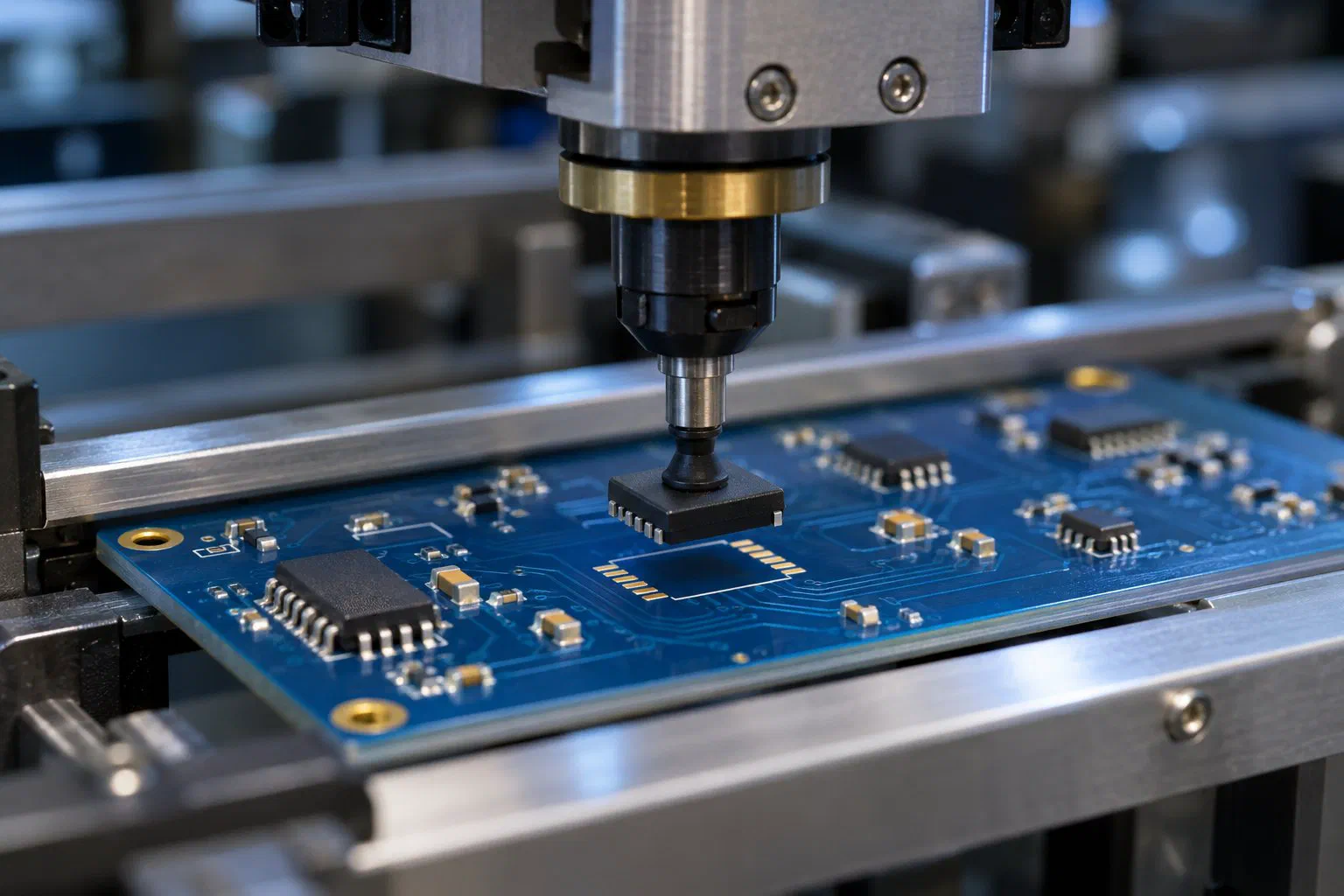 PCB shortages are creating a production risk that semiconductor purchasing alone cannot resolve. In its latest quarterly report, NCAB describes growing difficulty securing PCB input materials as data center investment and industrial demand compete for supply. Delivery uncertainty is prompting customers to bring orders forward, adding pressure to an already constrained market.
For OEMs and EMS providers, the implication is practical: securing processors, memory, and other critical devices does not protect a production date if the approved circuit boards arrive later. Purchasing teams need to coordinate commitments across the assembly, including what happens to components bought before the boards are ready.
Find the Constraint Behind the Board Delivery Date
The pressure extends beyond available factory space. An earlier PCB materials warning identifies shortages affecting laminates, copper foils, prepregs, and other manufacturing inputs. High-performance computing demand is consuming materials and capacity also needed by industrial and automotive applications.
That does not mean every PCB specification faces the same shortage. Ask the board supplier which material or production step limits the specific approved design. Establish whether the quoted delivery assumes material already allocated, a future shipment, or an alternative that engineering has not approved.
Those answers point to different actions. A material allocation gap calls for a sourcing decision; a proposed substitution calls for engineering review; a fabrication bottleneck may require another qualified production route. A general request to expedite the order leaves those dependencies unresolved.
Plan Around Complete Builds
Create a dated view that brings approved bare boards, critical semiconductors, remaining components, and assembly capacity together. For each planned build, identify the latest unresolved dependency and assign someone to resolve it. Include incoming inspection and any required release activities before treating delivery as availability for production.
Consider a hypothetical program with chips arriving in January, boards in March, and an assembly slot reserved for February. The chips are secured, but the February build is unsupported. The immediate task is to confirm an earlier board delivery or revise the assembly booking, then adjust component releases around that decision.
Revisit this view whenever a supplier changes a commitment. A board delay can affect component holding costs, factory bookings, and customer shipment dates simultaneously. Procurement, planning, and the manufacturing partner should work from the same revised schedule rather than separate purchase-order dates.
Decide Which Components Still Need an Early Commitment
A delayed PCB does not automatically justify postponing every chip purchase. A hard-to-replace device with uncertain future availability may still warrant an early commitment. A readily available component with flexible delivery terms may be better scheduled closer to the revised build.
For each significant purchase, compare the risk of losing supply with the cost of holding it until the boards arrive. Consider cancellation terms, the stability of the design, demand uncertainty, and whether the component can serve another approved program. Record the reason for committing early and the event that would trigger a review.
Where justified purchases must precede consumption, an inventory ownership arrangement can provide a way to fund and hold components for later release. Evaluate the allocation, storage, release, and unused-inventory terms alongside the purchase price. Such an arrangement can address the holding period; it cannot resolve the missing board supply.
Qualify Alternatives Before They Become Urgent
Ask engineering and the PCB supplier to identify which material specifications have acceptable alternatives and which are essential to product performance. Start with the constraints actually affecting the approved design, rather than qualifying substitutes simply because they appear on a shortage list.
Require a documented assessment of proposed changes and the verification needed before production. A different laminate, board construction, or manufacturing site should not be treated as an interchangeable purchasing option without the appropriate approval. Include that approval timeline when comparing alternatives with the current supplier's delivery.
The same discipline applies to components already purchased. If a board revision changes the bill of materials, check whether held inventory remains usable before placing additional orders. Otherwise, an effort to accelerate boards can create a second problem in the component inventory.
Make the Holding Period Part of the Production Plan
When components must wait, define who owns them, where they will be stored, how their condition and traceability will be maintained, and who authorizes shipment to the assembler. Establish a release trigger tied to the confirmed production schedule, with enough time for transport and receiving.
The next supply review should end with a coordinated commitment: an approved board design, a credible board delivery, components available for that build, and an assembly slot that matches. That is the practical test of whether an early purchase protects production or simply moves spending ahead of an unresolved bottleneck.