
Domestic DRAM Production Is Becoming a Supply Chain Priority
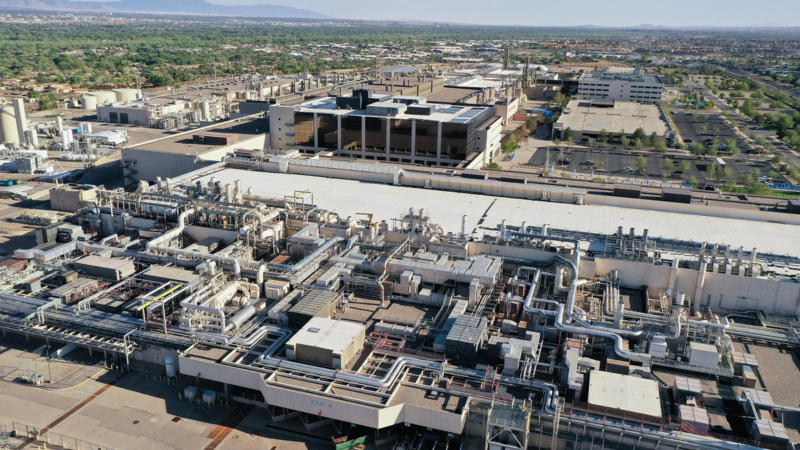 Micron recently began producing advanced DRAM at its Manassas, Virginia facility, marking an important development for U.S. semiconductor manufacturing. The expansion is expected to support industries such as automotive, defense, industrial equipment, and medical technology, all of which rely on stable access to memory components. While much of the industry conversation focuses on advanced AI chips, domestic DRAM production highlights a different and equally important issue: supply chain control.
For many manufacturers, memory is no longer just a commodity part. It is becoming a strategic component tied directly to production continuity, product lifecycles, and national supply chain resilience.
Why Domestic DRAM Production Matters
DRAM plays a critical role across modern electronics. It supports computing, communications, control systems, and embedded applications in products that may remain in service for years. In sectors such as automotive and defense, the requirements are especially demanding. Components must meet strict reliability standards, remain traceable, and support long product lifecycles.
Domestic DRAM production can help reduce dependence on overseas supply chains. It also gives U.S. manufacturers greater proximity to critical memory supply. That matters in a market where shipping delays, geopolitical tensions, labor disruptions, and allocation shifts can quickly affect availability.
However, more domestic production does not automatically solve supply chain risk. Capacity takes time to ramp. Demand can still outpace output. Certain memory generations may remain constrained even as new facilities expand production.
Production Is Only One Part of Resilience
A stronger domestic semiconductor base requires more than fabs. It also requires the infrastructure needed to manage inventory after production. Memory components must be stored, preserved, tracked, and deployed correctly over time.
This is especially important for long lifecycle industries. Automotive, aerospace, defense, industrial, and medical manufacturers often need components long after the original production window has passed. If memory supply becomes unavailable or expensive later in a product’s lifecycle, companies may face redesigns, requalification, delayed repairs, or production interruptions.
That is why domestic DRAM production and semiconductor storage should be viewed as connected pieces of the same strategy.
Why Semiconductor Storage Matters
Memory components are sensitive to environmental conditions. Moisture exposure can damage devices. Electrostatic discharge can weaken components without visible signs of failure. Temperature variation can impact long term reliability. Poor handling or weak traceability can also create quality and compliance issues.
Effective semiconductor storage helps preserve component integrity through controlled humidity, ESD protection, stable environmental conditions, documented handling, and full traceability. These controls allow manufacturers to hold critical memory inventory for extended periods while maintaining confidence that the parts remain usable.
For companies securing domestic DRAM supply, storage becomes the bridge between availability and actual production readiness.
The Bigger Supply Chain Lesson
Micron’s Virginia DRAM production reflects a broader shift in the semiconductor industry. Companies and governments are no longer focused only on where chips are designed or fabricated. They are also focused on how supply is protected, stored, and managed over time.
Domestic manufacturing improves access, but long term resilience depends on the full ecosystem around that production. That includes inventory planning, secure storage, lifecycle management, and reliable fulfillment.
As semiconductor demand continues to grow across critical industries, domestic DRAM production will play an important role. But the companies that benefit most will be those that treat memory supply as a long term asset, not just a short term purchase.