
Supplier Price Increases: How Firm Is Your Purchase Commitment?
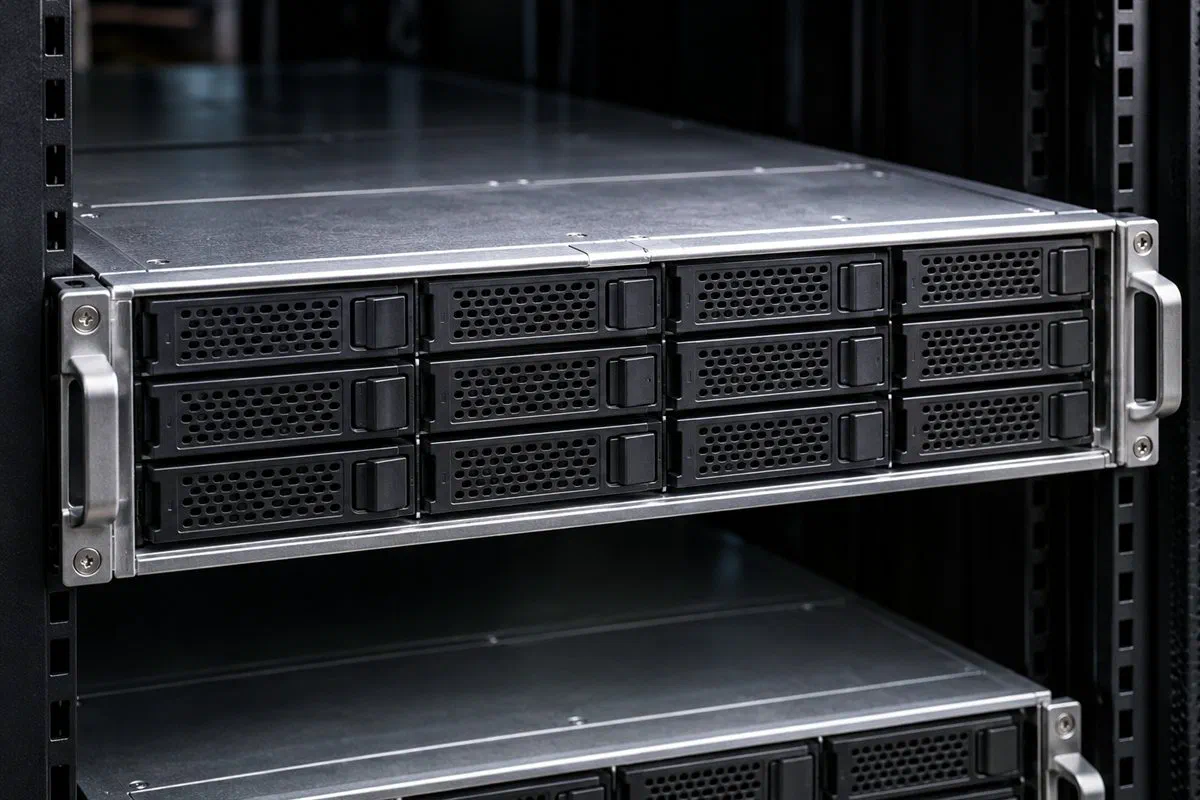 An order placed months ago can still become the subject of a new price negotiation. November 23 coverage of Financial Times reporting describes AI-server suppliers seeking increases of up to 45% after deals were signed, as rising component costs reach equipment buyers. These reported requests to reprice server orders highlight the commercial pressure between an initial agreement and delivery. They do not establish that every requested increase is permitted by the applicable contract.
For OEM and EMS teams, the transferable issue is the exposure between placing an order and receiving usable material; component purchases need their own terms assessed. Price, quantity, delivery, and change rights are separate commitments. Production margins become vulnerable when finance assumes a fixed cost while procurement remains exposed to adjustments before shipment.
A Valid Quote May Still Allow Price Changes
A quote's expiration date answers how long the offer remains open under its stated conditions. It does not, by itself, establish that the price is protected until delivery. That distinction matters when a short purchasing window precedes a much longer manufacturing lead time.
For example, Dell's U.S. commercial terms dated November 13, 2026 provide for price adjustments or purchase-order cancellation until shipment, even after acceptance, under specified circumstances including material shortages and manufacturing-cost increases. They also identify delivery dates as estimates. The published commercial terms recognize that an applicable written framework agreement takes precedence and that explicit order-specific deviations can override the standard terms.
Those provisions illustrate why the documents governing the particular transaction matter. They are not evidence that the same terms govern every server deal or component purchase. The buyer's commercial and legal teams need to resolve any conflict among the quote, accepted order, and negotiated agreement before the business relies on a price guarantee.
Price Protection and Supply Protection Are Different
Even a firm price leaves a production question unanswered: will the approved quantity arrive when required? A supplier may offer attractive pricing while delivery depends on material it has not yet received. Conversely, physically available stock may provide strong schedule coverage while its price remains open until the purchase is completed.
A useful commitment therefore identifies the approved part or configuration, quantity, price basis, and delivery obligation together. Where adjustments remain possible, the relevant commercial questions are what triggers them, which quantity they affect, how they are calculated, and what notice or choices the buyer receives.
The same distinction applies to scheduled releases. Holding an order open for later delivery does not necessarily preserve today's price. Nor does paying early, by itself, prove that identified inventory has been reserved or that ownership has transferred. Those protections need to be established in the agreement and supported by the inventory record.
Put the Exposure Into the Production Budget
Consider a hypothetical OEM requiring 10,000 approved devices for a firm production program. One offer is $10 per device, with the price adjustable before shipment. Another is $10.50 per device, with an agreed fixed price for the same quantity and required delivery date. Assume the quality, payment, freight, and other commercial conditions are otherwise equivalent.
The adjustable offer begins at $100,000; the fixed offer costs $105,000. A 5% increase would erase the initial saving. A 10% increase would bring the adjustable order to $110,000, or $5,000 above the fixed offer. These are planning scenarios, not forecasts of component prices.
Suppose the program can absorb only $5,000 above its original $100,000 material budget. A 5% adjustment consumes that entire allowance; a larger increase exceeds it. The fixed offer sets the acquisition cost at the limit upfront, assuming its agreed protection holds. Delivery risk still needs assessment, but the buyer now has a clear threshold for comparing price exposure with the cost of certainty.
Earlier Ownership Changes the Risk You Carry
Purchasing identified, approved stock before consumption can settle its acquisition price, provided the transaction actually fixes that price. The tradeoff is an earlier cash commitment and responsibility for material that may be held longer than expected or become surplus after a design change.
Financing, storage, insurance, handling, and unused-inventory risk belong alongside the acquisition price. As our discussion of when memory purchases can wait illustrates, demand timing determines how much flexibility a buyer actually has.
For example, a buyer could acquire identified stock at an agreed price, then release it to an assembler over several months. Coordinated storage and fulfillment of customer-owned inventory can support that schedule without moving the full quantity to the plant immediately. Documented ownership, appropriate handling, and reconciled balances let each release draw against purchased material rather than a future supply promise.
A Repricing Request Needs a Decision, Not Just a New Number
When a supplier requests an increase, separate the explanation from the decision. Establish the affected orders, proposed effective date, claimed basis for the change, and whether the delivery commitment also changes. An alternative quote only helps if the approved material can arrive in time and the existing obligations are understood.
The final decision may be to negotiate, accept a documented adjustment, or pursue another approved supply route. Whatever the outcome, finance and production need the same revised cost and schedule. Before marking an order "secured," know which quantity, price, and delivery date the supplier has actually committed to.