Connected-Car Rules Are Creating a New Component Replacement Cycle

By Michael Stratton

Connected vehicles are creating a new kind of supply chain challenge for automakers. Recent U.S. rules restrict certain connected-car software and hardware linked to China or Russia, with software restrictions beginning for model year 2027 and hardware restrictions beginning for model year 2030. The rule applies to vehicle connectivity systems, including technologies that allow a…

Silicon Wafers Are Becoming a Supply Chain Control Point

By Michael Stratton

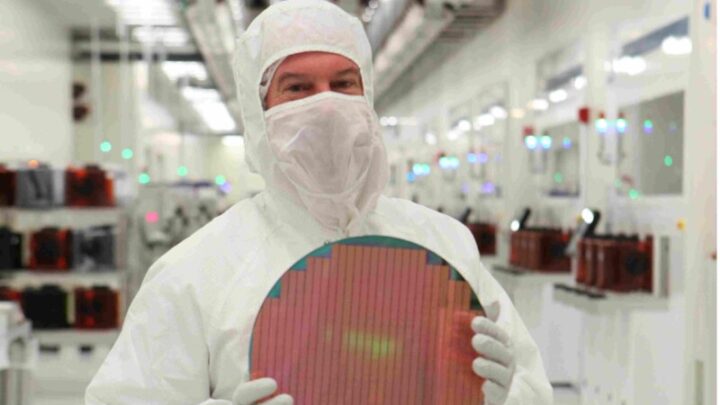
Micron’s latest U.S. semiconductor investment highlights an important shift in supply chain strategy. The company announced up to $3 billion in strategic investments to strengthen the U.S. semiconductor ecosystem, including $500 million in financing support for GlobalWafers’ 300mm raw silicon wafer manufacturing facility in Sherman, Texas. As part of the agreement, Micron and GlobalWafers will…

Packaging Roadmaps Are Becoming Harder to Predict

By Michael Stratton

Advanced packaging is becoming one of the most important parts of the semiconductor supply chain, but it is also becoming harder to forecast. The latest signal came from concerns that some major memory customers may delay broader adoption of hybrid bonding, a key chip stacking technology. Shares of BE Semiconductor fell 6.7% after reports suggested…

The Semiconductor Buildout Is Becoming an Infrastructure Story

By Michael Stratton

The semiconductor industry is in the middle of one of the largest expansion cycles in its history. New fabs are being announced. Advanced packaging capacity is becoming more strategic. Materials, chemicals, equipment, storage, and logistics are receiving more attention. The industry is no longer just building more chips. It is building the infrastructure needed to…

Advanced Packaging Is Becoming the New Inventory Boundary

By Michael Stratton

Advanced packaging is becoming one of the most important control points in the semiconductor supply chain. For years, the industry focused heavily on wafer output. If enough wafers could be produced, the assumption was that supply would eventually reach the market. That view is becoming outdated. Today, wafers are only part of the story. More…

The Semiconductor Supply Chain Is Moving Upstream

By Michael Stratton

For years, semiconductor supply chain risk was mostly discussed at the finished component level. Buyers watched lead times, pricing, allocation notices, and distributor availability to understand where pressure was building. Those signals still matter, but they now appear too late in the cycle. Current semiconductor news points to a larger shift. The risks that eventually…