
Hardware Compliance Is Becoming a Supply Chain Issue
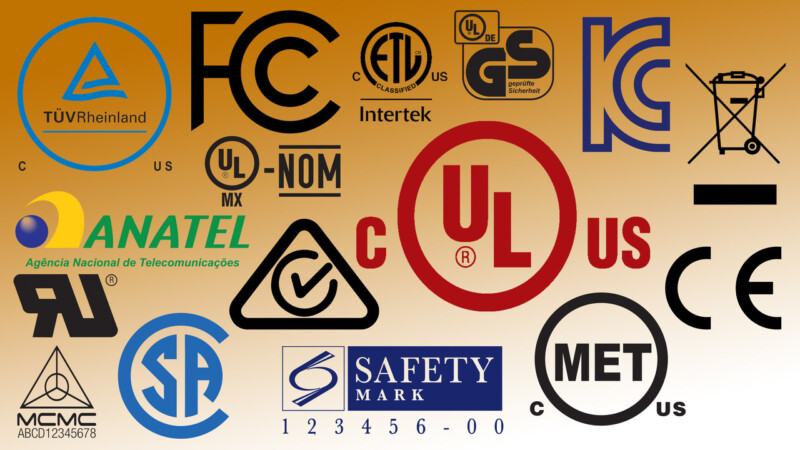 Hardware compliance is becoming a larger part of supply chain strategy, especially in automotive and connected technology markets. Recent U.S. connected vehicle rules prohibit certain connected vehicle software linked to China or Russia beginning with model year 2027, with restrictions on covered vehicle connectivity hardware beginning with model year 2030. The rule also applies to key external communication systems, including cellular, satellite, Wi-Fi, Bluetooth, and other connected vehicle technologies. (Bureau of Industry and Security)
For automakers and suppliers, this changes the meaning of compliance. It is no longer limited to certificates, audits, or quality documentation. It now reaches into hardware origin, software provenance, embedded connectivity, supplier ownership, and component-level traceability.
Why Hardware Compliance Is Changing
Modern vehicles rely on complex electronic systems. Telematics modules, antennas, microcontrollers, wireless chipsets, infotainment systems, connectivity gateways, and sensor interfaces all play a role in how vehicles communicate with external networks.
That connectivity creates value, but it also creates regulatory exposure.
If a covered hardware or software component is linked to a restricted source, the issue may not be limited to that one part. It can affect the entire vehicle platform, supplier approval process, model year planning, warranty support, and service inventory.
This is why hardware compliance is becoming a supply chain issue. Manufacturers must understand not only what a component does, but where it was designed, developed, manufactured, and supplied.
Traceability Is No Longer Optional
The connected vehicle rule is forcing manufacturers to look deeper into their supplier networks. Automakers are already working to remove certain Chinese connected-car hardware and software from their supply chains, and the transition is creating demand for alternative suppliers. The shift is complex because many affected parts are embedded into vehicle architecture and require engineering work to replace. (Reuters)
That means traceability must go beyond the finished module.
A supplier may provide a complete communication unit, but that unit may include chips, firmware, antennas, subassemblies, and software inputs from multiple sources. If companies cannot identify those dependencies, they may struggle to prove compliance.
This is especially important for regulated industries. Automotive, aerospace, defense, medical, and industrial manufacturers all depend on documentation, chain of custody, and approved supplier controls. As hardware rules become more detailed, component visibility becomes part of compliance readiness.
Why Replacement Is Difficult
Hardware compliance can create a redesign burden.
Replacing a connected component is rarely simple. A new module may require software integration, electrical testing, environmental validation, cybersecurity review, supplier qualification, and documentation updates. In some cases, the replacement may also affect service procedures, diagnostic tools, repair inventory, and warranty programs.
The rule’s timeline creates an added planning challenge. Software restrictions arrive first, followed by hardware restrictions for model year 2030. That gives companies time to adjust, but not unlimited time. Automotive platforms are developed years ahead of launch, and parts may remain in service long after production ends. (Bureau of Industry and Security)
This makes inventory planning more complicated.
Where Storage Enters the Compliance Conversation
When hardware compliance changes, companies may need to manage multiple inventory streams at once.
They may need existing approved components for current production, repair, warranty, or service programs. At the same time, they may need new compliant components staged for future builds. During the transition, inventory must be clearly identified, preserved, and separated by approval status.
That is where controlled storage and traceability matter.
Semiconductor and electronic components are sensitive to moisture, electrostatic discharge, temperature variation, contamination, and handling errors. Poor storage can damage inventory or create uncertainty around whether a component remains suitable for use.
Effective semiconductor storage supports compliance by maintaining environmental control, ESD protection, documented custody, lot tracking, and clear inventory visibility. In a hardware compliance environment, storage is not only about availability. It is also about proving which parts are approved, where they came from, and whether they remain ready for use.
Hardware compliance is becoming a supply chain discipline.
As connected products become more regulated, manufacturers must manage more than sourcing and price. They must manage component origin, supplier relationships, embedded software risk, documentation, traceability, and lifecycle inventory.
The connected vehicle rules show how quickly hardware can move from a technical category to a regulatory concern. For OEMs and EMS providers, the lesson is clear. Compliance now extends into the physical supply chain, and inventory strategy has to adapt.