
Industrial Demand Is Bringing Mature Chips Back Into Focus
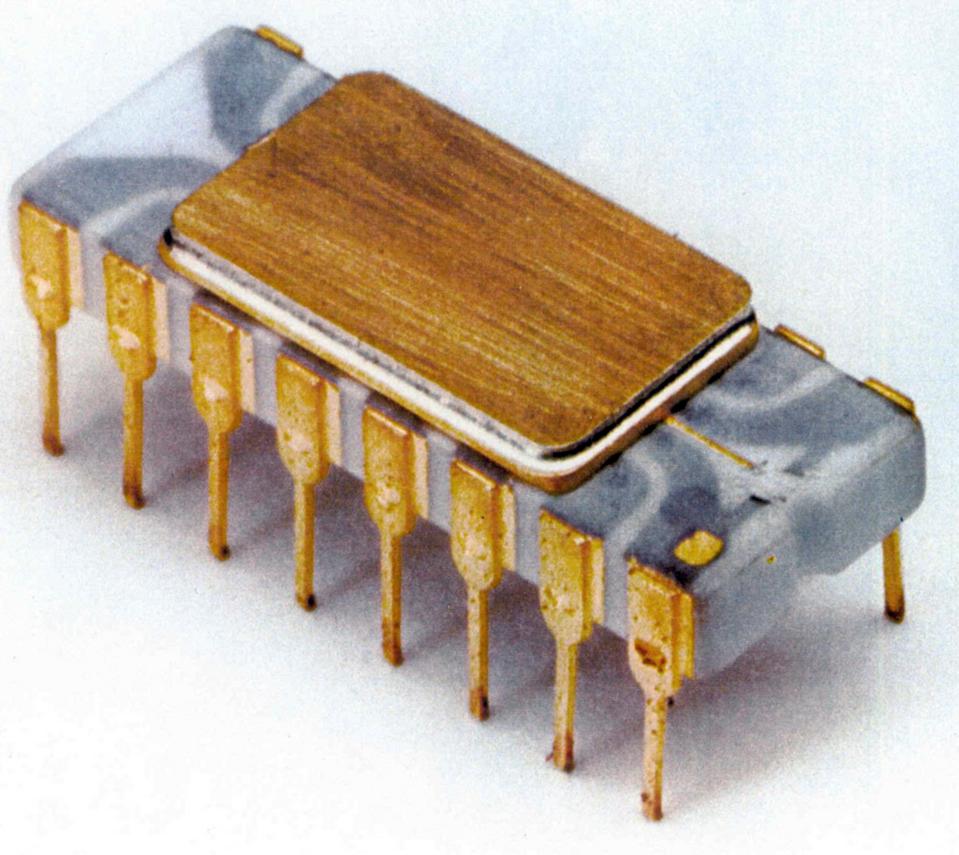 Semiconductor headlines often focus on the most advanced devices. AI accelerators, leading-edge logic, high bandwidth memory, and advanced packaging dominate the conversation.
But recent market signals show another important trend. Mature chips are gaining renewed attention as industrial, automotive, and data center demand improves.
A major analog and embedded chip supplier reported second quarter revenue of $5.46 billion, up 23% year over year, with broad growth led by industrial, data center, and automotive markets. The company also guided third quarter revenue above analyst expectations, reinforcing demand strength in markets that rely heavily on analog and embedded components. (Texas Instruments)
Why Mature Chips Still Matter
Mature chips are often less visible than advanced processors, but they are essential to modern systems.
Analog ICs, power management chips, sensors, signal converters, amplifiers, microcontrollers, and interface components are used across industrial equipment, factory automation, vehicles, medical devices, power systems, aerospace platforms, and data center infrastructure.
These components manage power, translate physical signals into usable data, control motors, monitor temperature, regulate voltage, and support communication between systems.
Without them, advanced computing cannot operate reliably in the physical world.
Mature Nodes Carry a Different Type of Supply Risk
Mature chips do not always face the same supply risk as leading-edge semiconductors.
The issue is not always access to the newest process technology. Instead, the risk often comes from long product lifecycles, limited second sources, older manufacturing processes, and difficult replacement requirements.
Industrial and automotive platforms can remain in service for years or decades. Once a component is designed in, qualified, and approved, replacing it is rarely simple.
A substitute part may require engineering review, firmware adjustments, system testing, regulatory approval, supplier qualification, and updated customer documentation.
That makes mature chips strategically important even when their unit cost is relatively low.
Industrial Recovery Changes Component Availability
Industrial demand is an important signal because it reflects activity in the physical economy.
When demand strengthens across industrial, automotive, and data center markets, it often points to broader investment in equipment, automation, power systems, electrification, and infrastructure.
That can tighten availability for mature components that previously looked stable. A part that was easy to source during a slower cycle can become constrained when multiple end markets recover at the same time.
This is especially important for companies that depend on qualified, long lifecycle components. Availability can change quickly, but redesign timelines usually cannot.
Storage Discipline Supports Long Lifecycle Supply
Mature chips often support products with long service lives. That makes storage discipline important.
If manufacturers secure inventory for future builds, service programs, repairs, or lifecycle support, those components must remain usable over time.
Semiconductors can be sensitive to moisture, electrostatic discharge, temperature variation, contamination, and handling conditions. Poor storage can turn available inventory into unusable inventory.
Controlled semiconductor storage helps preserve component integrity through humidity control, ESD protection, stable environmental conditions, documented custody, and traceability.
For long lifecycle industries, storage is not only about holding parts. It is about protecting production continuity and service readiness.
Replacement Difficulty Defines Strategic Importance
The renewed strength in industrial and automotive demand is a reminder that mature chips remain essential to the semiconductor ecosystem.
Advanced chips may drive headlines, but mature semiconductors support much of the equipment, infrastructure, and industrial activity that modern economies depend on.
As demand improves across these markets, companies should pay closer attention to the components that quietly carry long lifecycle risk.
In the semiconductor market, strategic importance is not always defined by how advanced a chip is. Sometimes it is defined by how difficult it would be to replace.