
The Convergence Problem: Why AI Demand and Material Shortages Are Breaking Semiconductor Supply Chains
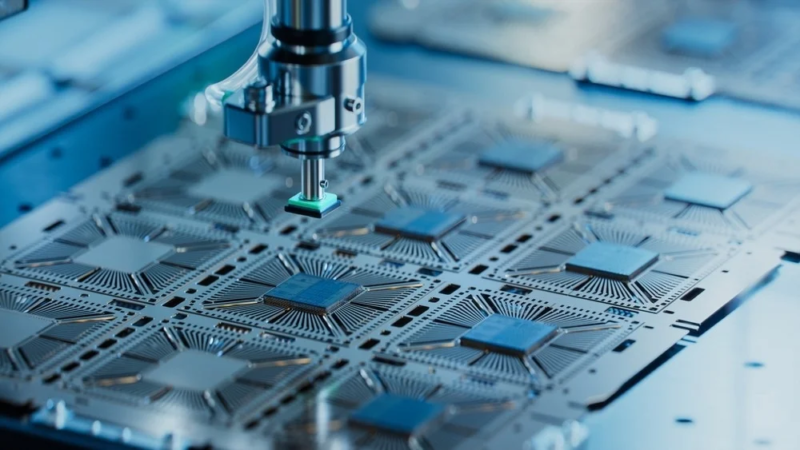 The semiconductor industry is facing a new kind of disruption. It is no longer a single shortage or isolated bottleneck. Instead, multiple pressures are hitting the supply chain at the same time. Artificial intelligence demand is accelerating faster than expected. Wafer capacity remains constrained. Critical materials like helium are becoming less predictable. Together, these forces are creating what can be called a convergence problem.
This convergence is changing how companies think about supply chain risk. More importantly, it is forcing a shift toward semiconductor storage as a core strategy, not just a logistical step.
AI Demand Is Reshaping the Supply Landscape
Artificial intelligence is driving one of the largest demand surges the semiconductor industry has ever seen. Hyperscale data centers are consuming vast amounts of high-performance chips, memory, and advanced packaging capacity. Many suppliers are prioritizing these high-margin, high-volume AI workloads.
As a result, industries such as automotive, industrial automation, and medical devices are facing tighter allocation for the components they depend on. Even when supply exists, it is often locked up in long-term agreements with AI-focused buyers.
This creates a new challenge. Companies are not just competing with their direct peers. They are competing with an entirely different segment of the market that is absorbing capacity at scale.
Material Shortages Are Compounding the Problem
At the same time, upstream materials are becoming less reliable. Helium, which is essential for cooling semiconductor fabrication equipment, has recently faced supply disruptions. Other specialty gases and materials also depend on concentrated global supply chains.
These materials cannot be easily substituted. When supply is disrupted, fabrication output can slow regardless of demand or existing capacity. This introduces a second layer of risk that sits above traditional component shortages.
Why This Convergence Changes Everything
Individually, demand spikes and material shortages are manageable. Together, they create a system where multiple failure points can occur simultaneously.
Companies are now dealing with:
- Surging demand driven by AI and advanced computing
- Limited wafer fabrication capacity
- Fragile supply of critical materials
- Increasing competition across industries
In this environment, traditional just-in-time supply chains struggle to keep up. When disruptions overlap, there is no margin for delay.
Why Semiconductor Storage Is Becoming Essential
To manage this new reality, companies are shifting toward proactive inventory strategies supported by semiconductor storage. Instead of relying entirely on incoming supply, they are securing critical components earlier and maintaining controlled reserves.
This approach creates a buffer across multiple risk factors. If wafer capacity is constrained, stored inventory supports production. If material shortages slow fabrication, companies can continue operating using existing reserves. Storage becomes a way to stabilize operations in an unstable system.
However, storing semiconductors requires specialized environments.
These components are highly sensitive to moisture, electrostatic discharge, and temperature variation. Without proper controls, stored inventory can degrade before it is used. Effective semiconductor storage environments maintain controlled humidity, provide electrostatic protection, and ensure full traceability. These safeguards allow components to remain within specification over extended periods.
From Efficiency to Control
The convergence problem is forcing a shift in priorities. For years, efficiency defined supply chain success. Today, control and resilience are becoming equally important.
Semiconductor storage sits at the center of this shift. It allows companies to take control of their inventory, reduce exposure to external volatility, and maintain production continuity even when supply chains are under pressure.
As demand continues to grow and supply remains uncertain, the companies that adapt to this new model will be better positioned to navigate the challenges ahead. In a world where multiple disruptions can happen at once, semiconductor storage is becoming the control point for supply chain stability.