
MLCC Shortages: Which Capacitors Need Inventory Protection?
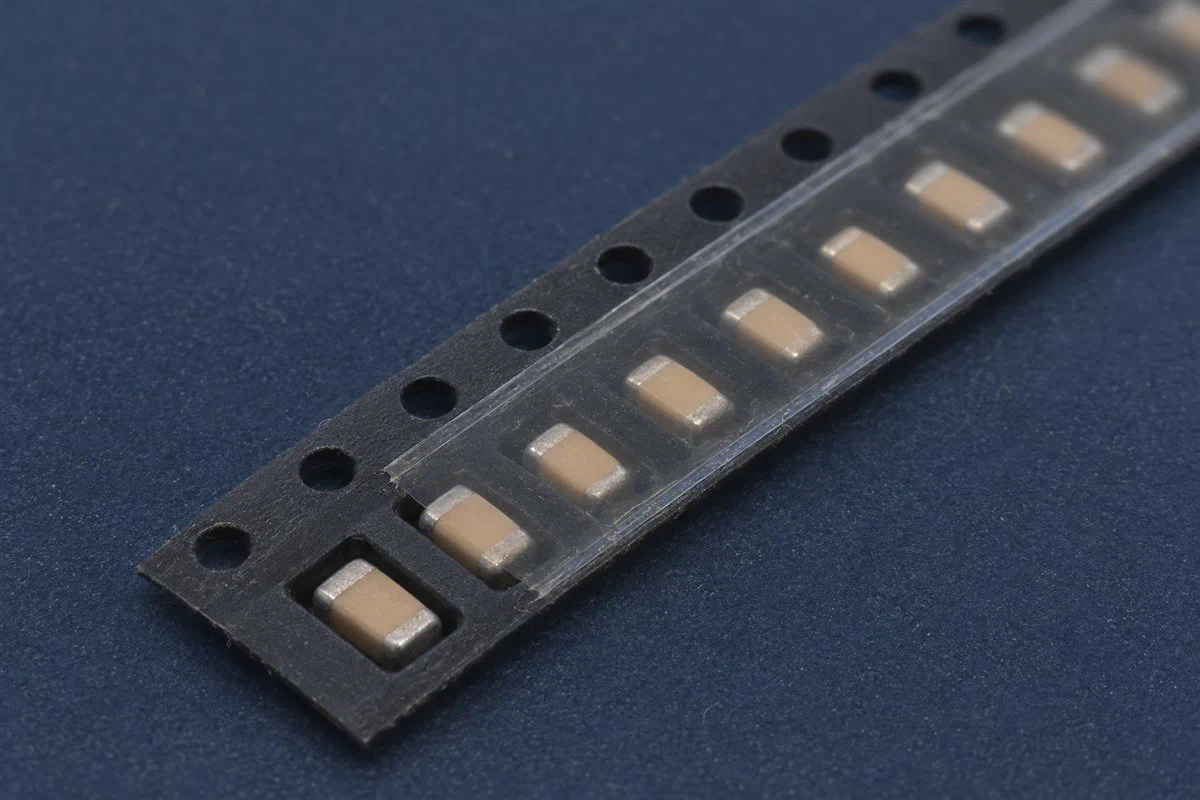 MLCC shortages are reaching beyond server boards. The public summary of TrendForce's November 13 market bulletin reports tightening supply for networking and optical communications applications, alongside weaker demand for consumer phones and notebooks. It also identifies long-term supply agreements as a factor restricting access to higher-end parts, with shortages expected to continue into the first half of 2027.
For OEM and EMS procurement teams, that split makes a blanket increase in capacitor inventory difficult to justify. The useful question is which multilayer ceramic capacitor specifications could stop a scheduled build before another approved supply route becomes available. Answering it requires connecting exact part numbers, consumption, supplier commitments, and engineering approval dates.
Start With the Parts That Can Stop a Build
Review MLCCs on committed production programs, beginning with parts showing delivery slips, reduced allocations, or limited approved sourcing. Record the manufacturer order code, usage per assembly, available quantity, confirmed receipts, and earliest date an alternative could enter production. Separate supplier estimates from accepted shipment commitments.
The broader market outlook helps direct that review. An October 29 analysis linked AI inference growth to rising CPU and DDR5 requirements and the accompanying demand for high-capacitance MLCCs. It also reported softer pricing for some lower-capacitance consumer products, illustrating the different supply conditions within the category.
Use those signals to ask targeted questions of suppliers. A market report cannot establish whether a particular order will arrive. Request quantity and delivery confirmation for the exact parts your production schedule consumes, including stock held by an assembly partner or distributor.
Check Whether an Alternative Is Actually Usable
A matching case size and nominal capacitance are only the beginning of an alternative review. Have engineering compare the relevant voltage rating, dielectric, temperature range, tolerance, termination, and application requirements. Confirm that the replacement is approved for the specific assembly and customer program.
For high-dielectric-constant ceramic capacitors, applied DC voltage can change capacitance from its nominal value. Manufacturer guidance explains this DC-bias behavior, which means two similarly labeled parts can require closer comparison under actual operating conditions. Ask engineering to evaluate effective capacitance using the candidate's data and the circuit's requirements.
Include both validation time and delivery time in the replacement schedule. An approved alternative with no available production quantity leaves the immediate supply gap unresolved. Conversely, stock offered for immediate shipment still needs the required engineering and quality release before it counts as build coverage.
Size the Purchase Around the Exposure Period
Consider a hypothetical networking board using 12 units of one constrained MLCC. At 1,000 boards per week, consumption is 12,000 capacitors weekly. The manufacturer has 72,000 usable capacitors and a confirmed receipt of 24,000 due in week four, providing eight weeks of coverage if the shipment arrives as scheduled.
Engineering expects an alternative to be approved and delivered for use at the start of week 13. Covering the first 12 weeks therefore requires 144,000 capacitors, leaving a 48,000-capacitor gap after existing stock and the confirmed receipt. This simplified example assumes steady demand and excludes losses; purchasing should add any approved allowance for placement losses or schedule uncertainty separately.
Check the timing as well as the total. The current stock lasts six weeks, so the week-four receipt supports continuity. A receipt pushed beyond week six would create an earlier interruption even if the eventual quantity remained unchanged. Any additional purchase must arrive before the existing coverage runs out.
Now compare another MLCC with four weeks of stock and an approved replacement available within two weeks. Despite its smaller inventory balance, it may need less immediate spending. Prioritize the gap that cannot be closed through an already usable supply route.
Make Reserved Inventory Available to the Right Build
Before funding the 48,000-capacitor purchase, confirm that the remaining board components and assembly capacity support the planned output. Otherwise, the buyer may protect one part while another shortage prevents the boards from shipping.
Agree who owns the reserve, which programs can draw from it, and who authorizes transfers between assembly sites. Reconcile OEM and EMS records so the same inventory is not counted against two production schedules. Preserve lot identity and apply the manufacturer's packaging, storage, and handling requirements through each release.
When a central reserve supports multiple plants, evaluate how a partner providing storage and fulfillment of customer-owned inventory would allocate quantities and report remaining coverage. The review should establish release lead times and responsibility for discrepancies before stock moves into the arrangement.
Set a Condition for Reducing the Reserve
Give each protected part a review date and a condition for returning to normal purchasing. For the networking board, that condition could be approval of the alternative followed by receipt of usable production stock. Recalculate the exposure when demand, supplier dates, or engineering milestones change.
The 48,000-device gap is a decision tied to a particular schedule. Keeping that connection visible helps procurement explain why one capacitor deserves funding now, while another can remain on its normal replenishment plan.