
What the Mexico Nearshoring Boom Means for U.S.-Based Semiconductor Storage
As global supply chains shift, Mexico is emerging as a critical hub for electronics and automotive 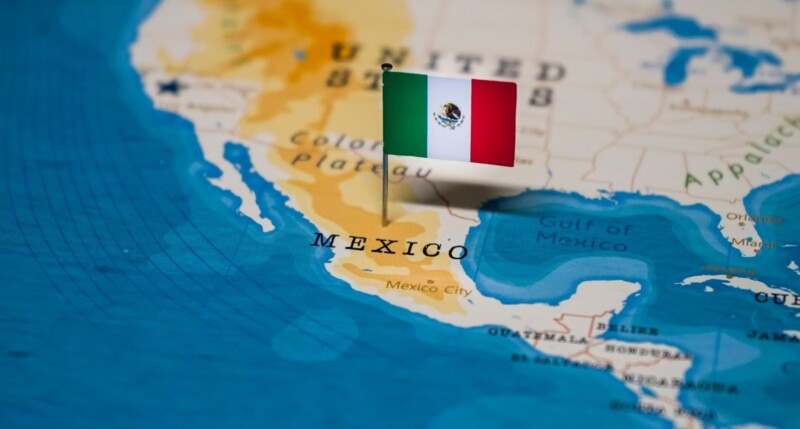 manufacturing. Driven by rising costs in Asia, trade tensions, and the desire to shorten lead times, companies are accelerating nearshoring strategies—building new plants and relocating production south of the U.S. border.
While nearshoring offers advantages in labor, logistics, and proximity to North American markets, it also raises a key question: how will OEMs manage and protect their semiconductor inventory in this new model? For many, the answer lies in expanding U.S.-based semiconductor storage hubs that act as the stability anchor for nearshored operations.
The Rise of Nearshoring in Mexico
Mexico has seen a surge in foreign direct investment, with billions flowing into new facilities for automotive, aerospace, consumer electronics, and renewable energy manufacturing. Major automakers and Tier 1 suppliers are building plants near Monterrey, Querétaro, and along the northern border. This trend is reinforced by trade frameworks like USMCA, which incentivize regional sourcing and production.
For OEMs, the benefits are clear: shorter transit times to U.S. customers, reduced tariffs, and lower dependence on ocean freight routes like the Suez or Panama Canal. Yet, the shift introduces new complexity in how components—especially semiconductors—are staged and secured.
Why U.S.-Based Storage Still Matters
Even as production moves closer, relying solely on Mexican facilities for inventory storage can create vulnerabilities. These include:
Infrastructure limitations in some industrial regions for climate-controlled, ESD- and MSL-compliant storage
Cross-border risks tied to customs delays or regulatory checks
Traceability and compliance requirements for aerospace and defense programs that demand AS9120-certified environments
Disaster resilience, as Mexico is not immune to climate risks and power instability
By contrast, strategically located storage hubs in the U.S. provide manufacturers with a secure, compliant, and audit-ready base of inventory that can feed production across Mexico without interruption.
The Hybrid Model: Manufacturing in Mexico, Storage in the U.S.
The most resilient strategy is a hybrid approach—leveraging Mexico for cost-effective production while positioning inventory hubs within the U.S. to safeguard long-term supply. This model ensures:
Faster replenishment for nearshored plants with reduced risk of customs bottlenecks
Full compliance with aerospace, defense, and medical storage standards
Lifecycle preservation for components purchased years in advance to protect against obsolescence
Centralized visibility with inventory managed in U.S. hubs but distributed as needed to Mexican facilities
Nearshoring to Mexico offers real advantages, but it doesn’t eliminate the need for U.S.-based semiconductor storage. If anything, it makes it more essential. Manufacturers who invest in secure, compliant U.S. inventory hubs today will gain the flexibility to support Mexican production while protecting themselves from global supply chain volatility tomorrow.