Electronic Component Storage: Select the Right Storage Provider

By Logan Wamsley

Electronic components and semiconductors, along with drastically increased power and efficiency, are also becoming more sensitive. This can be a great concern for electronics manufacturers — especially as consumer demands increase and component manufacturers increase their prices. Not every facility is equipped to properly manage sensitive electronic component storage, and the consequences of not doing…
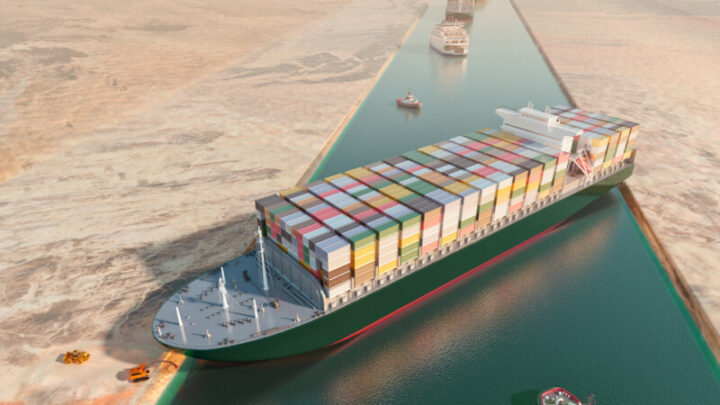
Supply Chain Lessons to Take From the Suez Canal Blockage

By Logan Wamsley

With a little help from a high tide brought by a “worm moon,” the container ship Ever Given was finally dislodged from the Suez Canal, bringing the total time it disrupted traffic to six days. While the source of the problem has been corrected, the effects of the backlog are going to reverberate across various…

Preparing the Automotive Supply Chain for Electric Vehicles

By Logan Wamsley

An Exciting, Challenging Electric Vehicle Future In just a few short years, the prediction that many automotive industry analysts have had for decades finally appears to be on the cusp of reality — that electric vehicles will eventually overtake production of the internal combustion engine. Although the complete elimination of gasoline-powered vehicles may still be…

EMS Providers: What Could You Do With Extra Working Capital?

By Logan Wamsley

EMS providers commonly operate on profit margins in the low single digits. Just to remain competitive, they are often forced to walk a fine line where a few unexpected expenses can mean the difference between profitability and total insolvency. This can be fixed with the help of a Partstat EOL Last Time Buy Solution, which…

To Overcome Obsolescence, One Last Time Buy Isn’t Enough

By Logan Wamsley

The Obsolescence Problem Component obsolescence is a widespread issue, and one that is never fully resolved. Unless a manufacturer chooses to source all necessary components in-house (a luxury in the age of global, decentralized supply chain networks), its ability to maintain extended production schedules is largely determined by its suppliers’ ability to provide regular streams…