
Semiconductor Inventory Is Quietly Expanding Again
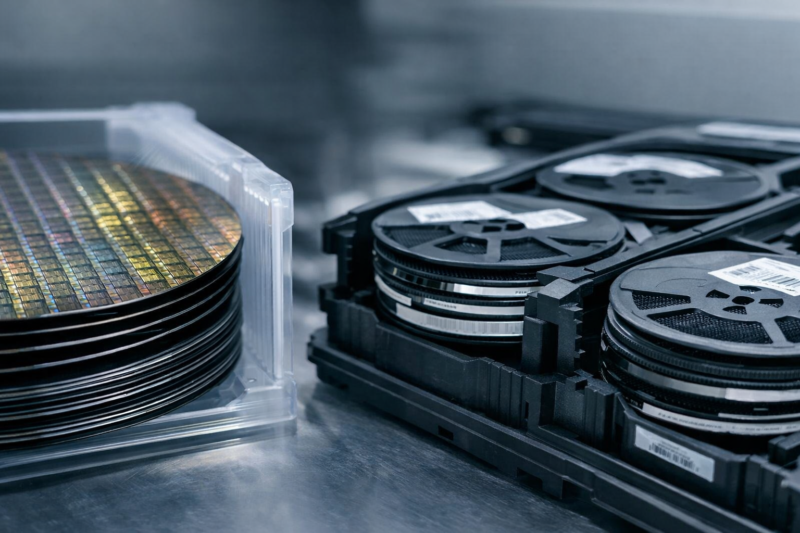 For years, the semiconductor industry was defined by efficiency. Companies minimized inventory, relied on just in time delivery, and trusted global supply chains to keep production moving. That model worked when supply was predictable and demand followed steady cycles.
That environment no longer exists.
Across the industry, companies are quietly increasing their semiconductor inventory. This shift is not being widely announced, but it is happening across automotive, industrial, aerospace, and electronics sectors. The reason is simple. Supply chains remain volatile, and companies can no longer rely on real time availability.
As a result, semiconductor storage is becoming a central part of supply chain strategy.
Why Inventory Is Expanding Again
Recent market conditions are forcing companies to rethink inventory levels. Demand from artificial intelligence continues to absorb large portions of semiconductor capacity. At the same time, legacy node components remain constrained, and material dependencies introduce additional risk.
Even when supply appears stable, it can change quickly. Lead times extend without warning. Allocation shifts toward higher priority customers. Shipping delays disrupt carefully planned production schedules.
In this environment, maintaining minimal inventory is no longer a safe strategy.
Companies are responding by building buffer inventory. Instead of waiting for components to arrive just before production, they are securing supply earlier and holding it in reserve. This approach reduces exposure to sudden disruptions and provides greater control over production timelines.
The Challenge of Holding Semiconductor Inventory
Expanding inventory is not as simple as ordering more components. Semiconductors are highly sensitive to environmental conditions. Without proper storage, components can degrade before they are ever used.
Moisture can damage moisture sensitive devices. Electrostatic discharge can weaken circuitry without visible signs of failure. Temperature fluctuations can impact long term reliability. These risks increase when components are stored for extended periods.
This creates a critical challenge. Companies need more inventory to manage risk, but holding that inventory introduces its own risks.
Why Semiconductor Storage Enables the Shift
The ability to expand inventory safely depends on semiconductor storage. Controlled storage environments allow companies to hold components for longer periods without compromising quality.
Effective semiconductor storage includes controlled humidity, electrostatic discharge protection, stable temperature conditions, and full traceability. These safeguards ensure that components remain within specification even after extended storage.
With the right storage infrastructure, inventory becomes a strategic asset rather than a liability.
Companies can build buffer inventory without introducing quality risk. They can respond to supply disruptions without scrambling for alternative sources. They can maintain production stability even when external conditions change.
A Quiet but Important Shift
The return of semiconductor inventory buffers is not a temporary reaction. It reflects a deeper shift in how supply chains are being managed.
Efficiency is still important, but it is no longer the only priority. Resilience and control are becoming equally critical. Companies are recognizing that holding inventory, when done correctly, provides a competitive advantage.
This shift is happening quietly. It does not appear in headlines as often as shortages or new fab announcements. However, it is reshaping the way companies operate.
What This Means Going Forward
As demand continues to grow and supply chains remain complex, semiconductor inventory strategies will continue to evolve. Companies that rely entirely on just in time models will remain exposed to volatility.
Those that invest in semiconductor storage will gain greater flexibility and control. They will be able to navigate uncertainty without sacrificing production continuity.
In this environment, the question is no longer whether to hold more inventory. The question is how to store it effectively.
Semiconductor storage is becoming the foundation that makes this new strategy possible.