
How U.S. Policy and Subsidies Are Driving the Expansion of Domestic Semiconductor Storage Solutions
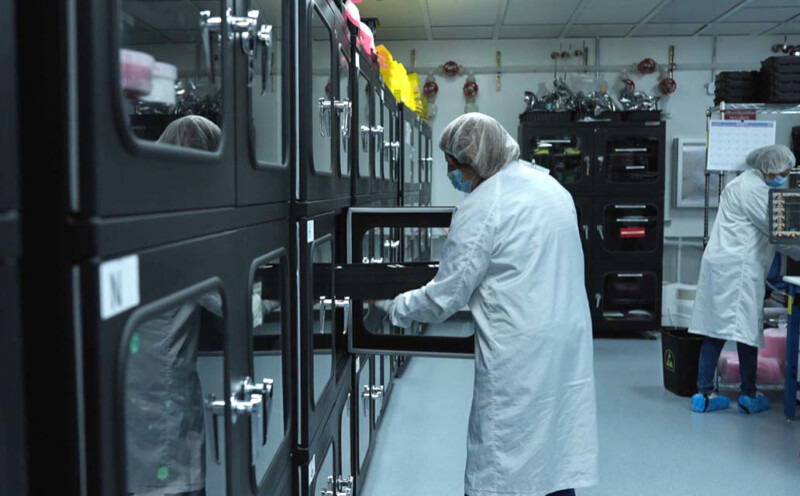 The U.S. semiconductor industry is undergoing a massive transformation, with government policies and subsidies playing a central role. The CHIPS and Science Act, passed in 2022, has provided over $50 billion in funding to boost domestic semiconductor manufacturing and reduce dependency on foreign supply chains. As part of this shift, semiconductor storage solutions are becoming a critical focus for OEMs, manufacturers, and logistics providers looking to align with new regulations, bolster supply chain resilience, and safeguard against future disruptions.
The Need for Domestic Semiconductor Storage
For years, the semiconductor supply chain has been concentrated in regions like East Asia, especially Taiwan and South Korea. While this model was efficient when global trade was predictable, recent geopolitical tensions, trade wars, and natural disasters have exposed the fragility of depending on such concentrated sources. The pandemic further highlighted how vulnerable this system can be, as factory shutdowns and port delays led to severe global chip shortages.
As the U.S. looks to become more self-reliant in semiconductor production, domestic storage solutions are evolving from a logistical afterthought into a strategic necessity. In the past, storage was viewed simply as a warehouse function. Today, it’s part of a comprehensive risk management strategy that helps companies reduce dependence on international suppliers and protect against the next supply chain shock.
The Role of Government Subsidies in Storage Expansion
The CHIPS Act and other government incentives are designed to support not only manufacturing but also the infrastructure needed to sustain it. One of the most significant infrastructure needs is the expansion of semiconductor storage capabilities across the U.S. Manufacturing facilities are being built, but storage hubs near these fabs are just as critical. The U.S. government’s strategic investment in semiconductor storage is part of its broader plan to secure the supply of essential chips for industries like automotive, defense, and healthcare.
Subsidies are making it easier for OEMs and chipmakers to invest in long-term storage infrastructure, which includes:
- Climate-controlled environments for sensitive components
- ESD protection to prevent damage during storage
- Serialized tracking and full traceability systems to ensure compliance with regulations
- Audit-ready facilities that meet the stringent requirements of industries like aerospace and defense
These facilities enable manufacturers to store large volumes of critical semiconductors for future use, reducing the risk of line shutdowns or unexpected shortages.
Why Domestic Storage Matters More Than Ever
The U.S. semiconductor supply chain faces several risks, including material shortages, geopolitical tensions, and disruptions from natural disasters. While the CHIPS Act aims to address some of these risks by boosting domestic production, companies still face the challenge of managing supply volatility. Having strategically placed, secure storage solutions is one way to mitigate these risks.
Domestic semiconductor storage hubs allow manufacturers to:
- Secure inventory long before demand peaks
- Protect against supply chain interruptions and material shortages
- Fulfill orders with more reliability and less risk of disruption
- Lower dependence on overseas shipping and customs delays
By investing in domestic storage solutions, companies can safeguard their supply chain, improve flexibility, and reduce the volatility of global logistics.
Conclusion
U.S. semiconductor policy is reshaping not only where chips are made but also how they are stored and managed. As the U.S. government continues to invest in semiconductor production, secure, climate-controlled, and traceable storage will play a key role in maintaining supply chain stability and resilience. Manufacturers who align with this new vision—investing in both production and storage infrastructure—will be well-positioned to lead in an increasingly unpredictable global market.