
Weapon Manufacturers Continue to Exacerbate Global Supply Chain Bottleneck in 2023
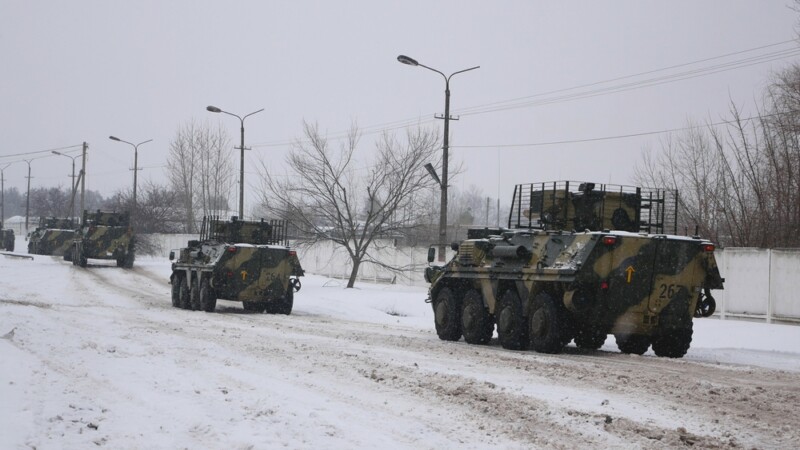
Nearly a year into the Ukraine-Russia conflict, there still appears to be little end in sight. However, given the now extended length of the conflict, this is causing a variety of issues being felt around the world in 2023. This can be seen primarily in the global supply chain.
One of largest repercussions thusfar has been the bottleneck created regarding the acquisition of raw materials and electronic components. According to Morten Brandtzæg, Chief Executive of ammunition and shoulder-firing weapon manufacturer Nammo, estimated that Ukraine has been firing roughly 5,000-6,000 artillery rounds per day, the equivalent of an annual order of a small European state pre-conflict. To fulfil such order, the weapon market has launched an “arms race” to acquire the necessary inventory ranging from chemicals to semiconductors to raw materials such as lead, brass, steel, nickel, cobalt, and copper, going in direct competition with other industries who require the same materials.
The results have been dramatic. Nearly overnight, the lead times for some of these materials have extended from weeks or months to years, having a taxing effect on automotive, healthcare, and consumer electronics. For example, lithium, which is required for the manufacturing of batteries, has seen a price increase of 156% since December alone, which has been particularly devastating for the rapidly expanding EV market.
And this does not even include the shortage of critical materials from Ukraine itself; ninety percent of the world’s supply of Neon, for example, which is critical in semiconductors, originates in Ukraine. Although some predict that 2023 may see some stabilization in the semiconductor market in particular, experts also say that the current efforts of governments to alleviate supply chain pressures in this area—such as the U.S. legislation signed last August to boost domestic chip manufacturing — will take time to be realized.
War has many consequences, and as uncertainty remains in these markets, companies will need to continue to place a strong focus on supply chain resiliency measures. These include maintaining high liquidity through on-hand capital, and a focus on upfront inventory acquisition. The market will stabilize, but that time is still not on the horizon yet.