
Inflation, COVID-19 Continue to Wreck the Global Supply Chain
Inflation continues to rise at historic levels. According to the Consumer Price Index, inflation is increasing at its fastest pace in 40 years a reported 7.9% increase in February. The reasons for such a steep climb are varied and include the ongoing Russian invasion of Ukraine, which has among other things caused gas prices to rise to record-breaking levels. Currently, average gas prices in the U.S. stand at $4.27, which is 45.32% higher than one year ago and just below the all-time high of $4.41 posted just one month ago. This only compounds the myriad of ongoing issues seen in the global supply chain as a result of the COVID-19 pandemic which has had a prolonged and profound effect on consumers and businesses alike.
The largest sign yet of the seriousness of the situation is the rhetoric of the Federal Reserve, which appears to be getting more aggressive by the day. “It is of paramount importance to get inflation down,” Federal Reserve Governor Lael Brainard said in a recent speech, indicating that the central bank would move to “rapidly” shrink its $9 trillion balance sheet while also hiking rates. According to many analysts, this is a strong indicator that the Fed may plan to hike interest rates at a greater rate than even the quarter-point increase seen in March.
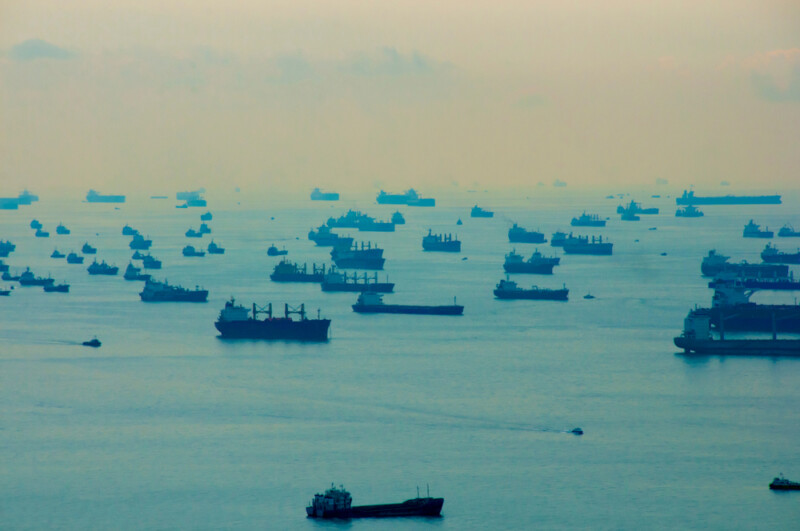
In the global supply chain, disruption and inflation have become largely interlinked, with the effects of one having a direct impact on the other. Ongoing port congestion, for example, which is prolonging the transport of products and critical inventories to manufacturers and suppliers, puts additional financial strain on businesses, who are then forced to pass the costs on to their consumers. This, in turn, contributes to inflation, and the cycle continues.
Despite the progress that has been made in recent months toward COVID-19 recovery (such as an easing of mask mandates in many parts of the world), there are also signs that more pain is to come in the global supply chain. In Shanghai, a total of 16,766 confirmed cases were recently recorded in a single day, a record high for the area since the beginning of the pandemic. With the city’s entire 26 million population under lockdown, as well as ongoing outbreaks in other provinces including Jilin and Beijing, there is significant worry that these developments could have disastrous long-term consequences.
For example, freights costs have been increasing by the day, with rates having tripled from a year ago and have risen 12-fold from two years ago. In order to keep the ports open at all, China is now requiring workers to live and work at the docks for as long as two months at a time. On the manufacturing side, at least five large factory cities have completely shut down because of the coronavirus: Dongguan and Shenzhen in southern China near Hong Kong, where Foxconn is located; Changchun and Jilin City in Jilin Province; and Langfang, next to Beijing.
“COVID-induced lockdowns in China and the Russia-Ukraine war has torn apart the expectations of recovery of the supply chain, which has been grappling to keep up to the pressures of implications resulting from these and many more disruptions,” said Christian Roeloffs, co-founder and chief executive of Hamburg-based logistics company Container xChange, to The Guardian.
The immediate response manufacturers can expect from their supply chain is a prioritization of customers. This means while every company will feel a degree of strain, large companies such as Apple will likely be prioritized first. In order to maintain production goals through the challenge, small and –mid-size companies must take active efforts to seek out solutions that minimize exposure to supply chain risk and guarantee business continuity however possible.